Why Do People Buy Products?
In a hallway at Hult International Business School, our professor asked one question that made me rethink every feature in the products I work on: do people really buy products because they meet a need? Or are there other angles we should be aware of?
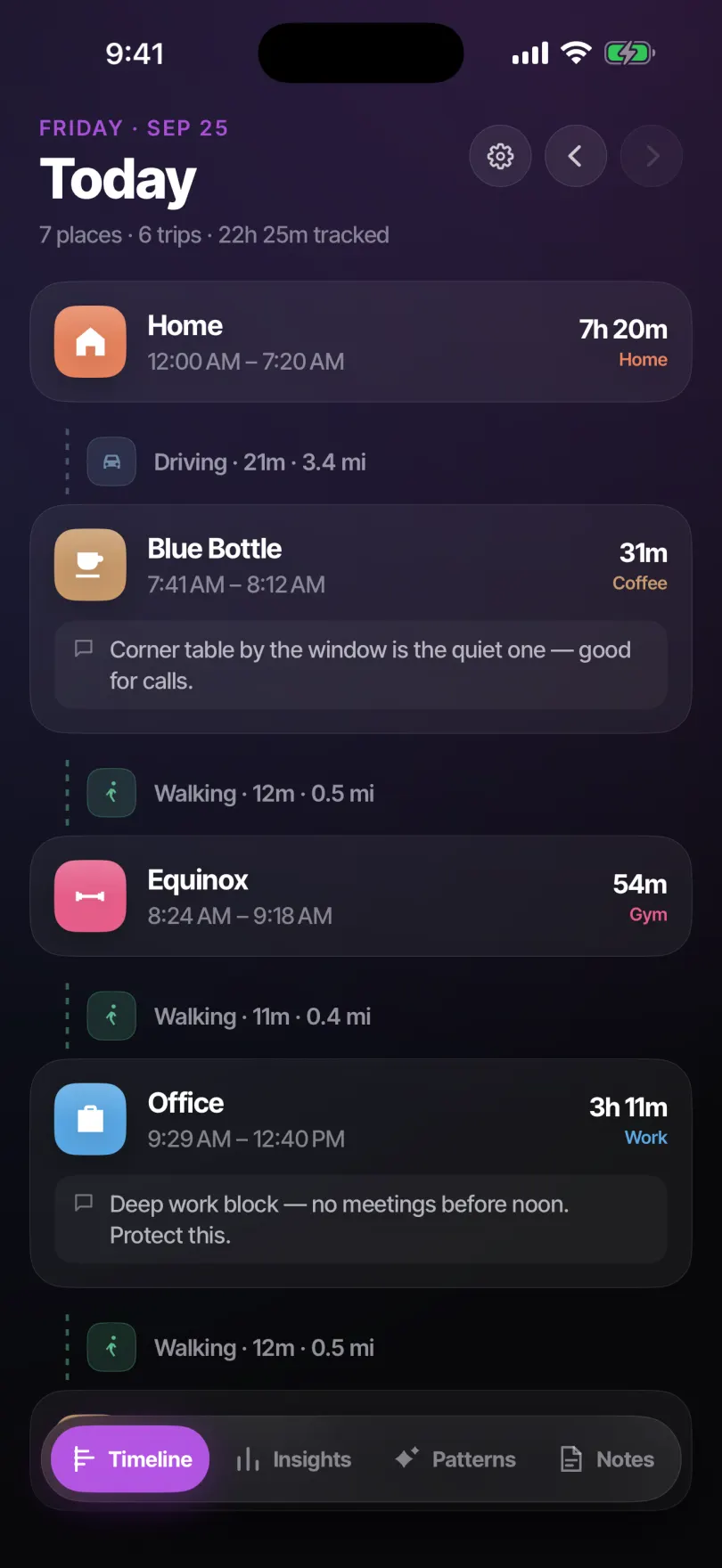
I built Wime, a personal app that tracks your time by the places you visit. It was the first app I went back to and looked at as a marketer instead of a developer. Here are four lessons that changed how I build it.
Lesson 1: People don’t buy features, they buy (or feed) needs
Every product serves three kinds of needs: functional (the one I always focused on while building), emotional, and social. Once I mapped Wime’s features to these needs, I started noticing things I had overlooked, and every feature got a clear reason to exist.
| Need | Feature in Wime | Question it answers |
|---|---|---|
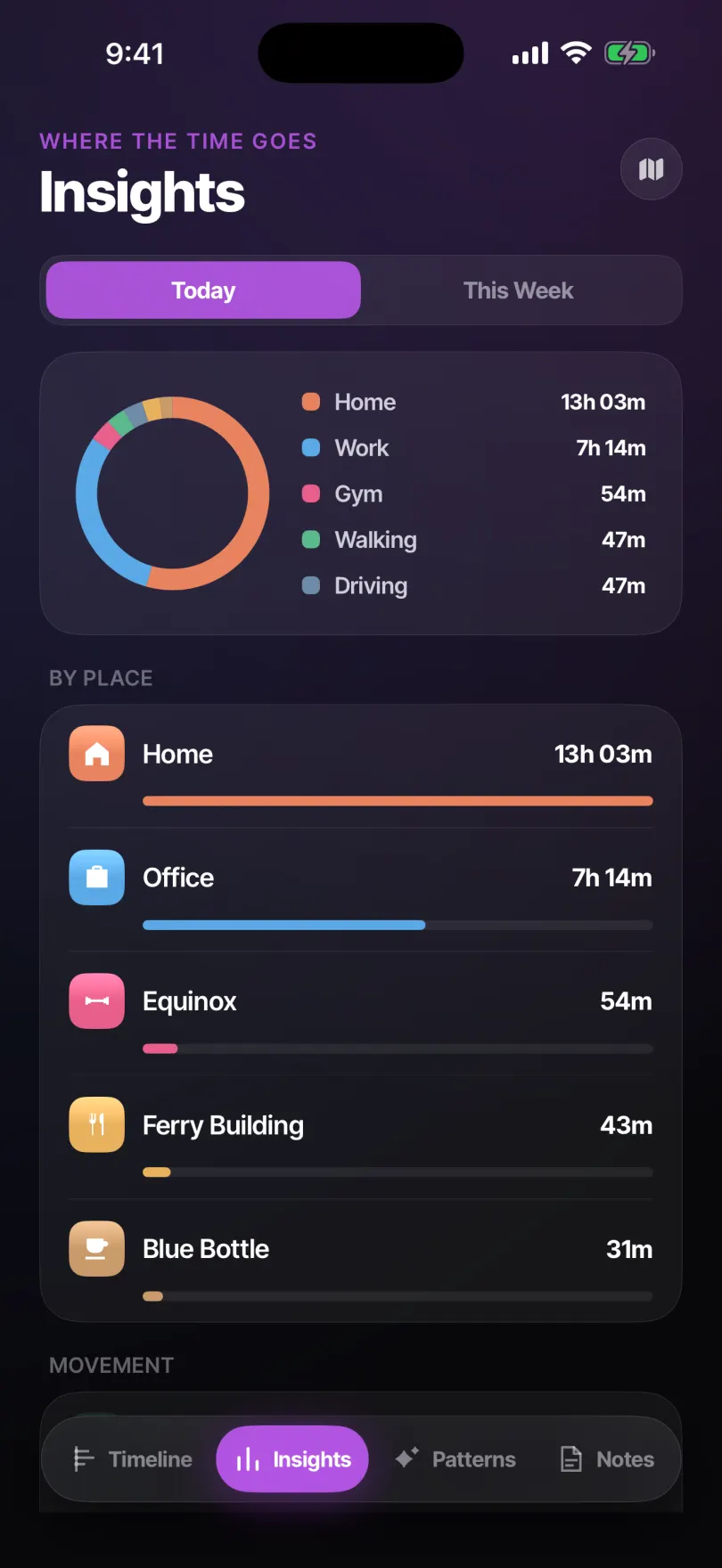
| Functional | Tracking time and showing it in a readable way | Where does my time actually go? |
| Emotional | Shortcuts and the chart | Is my day under control? |
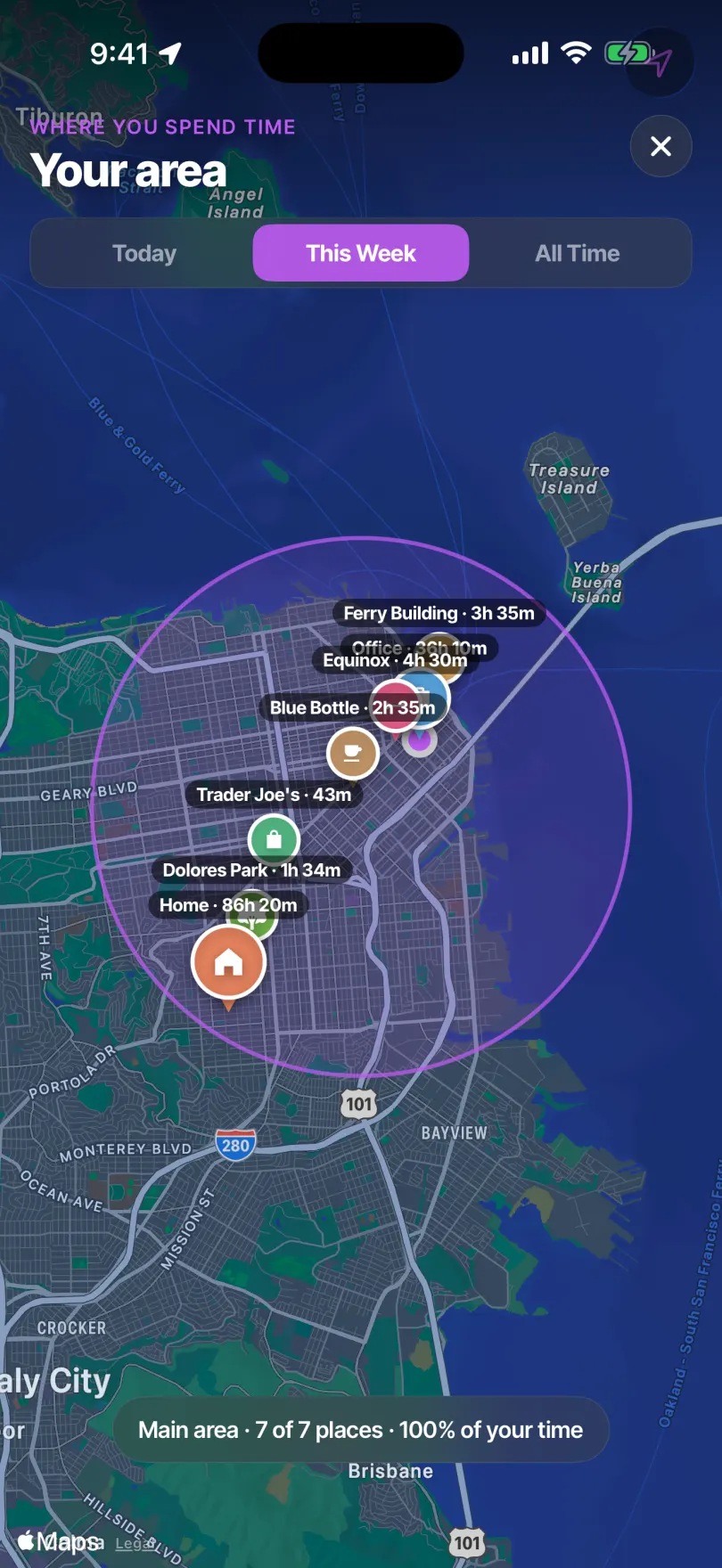
| Social | Sharing details of my day as an image | What do I share with others about my week? |
Now, before I start building, I keep these three needs in front of me and try to cover them from the start. I also have a way to classify each feature under the type of need it serves.
Lesson 2: Difficulty of use is a marketing decision, not a technical one
Every decision or bit of thinking the app asks of a user is a chance for them to leave.
I used to believe a user would be happy as long as the product met their need, and that was enough. In reality, any friction they notice, from the moment of choosing to buying to using, can make you lose them. And these decisions aren’t settled in code. They’re settled by understanding how the user actually deals with the product.
In Wime, I made a real effort to cut the work and input asked of the user, and to make whatever is left a one-time thing, after which tracking runs on its own. The least effort for the most value.
Lesson 3: A journey from attention to purchase
One of the course projects was called From Attention to Purchase. The idea: a customer goes through stages, and each stage has a different goal and message. This is how I now see the Wime user’s journey:
- Awareness: They hear about the app from a post a friend shared, from its store page, or from a blog post like this one xD
- Trial: A free 7-day period, enough to see the patterns of a full week of their life. Here we let the user own the app and use it with as little resistance or loss as possible.
- Subscription: They pay after seeing the value for themselves. There’s a small psychological side to it too. After you’ve owned the app for seven days and entered some of your data, leaving gets harder. As humans, we value things more once we own them.
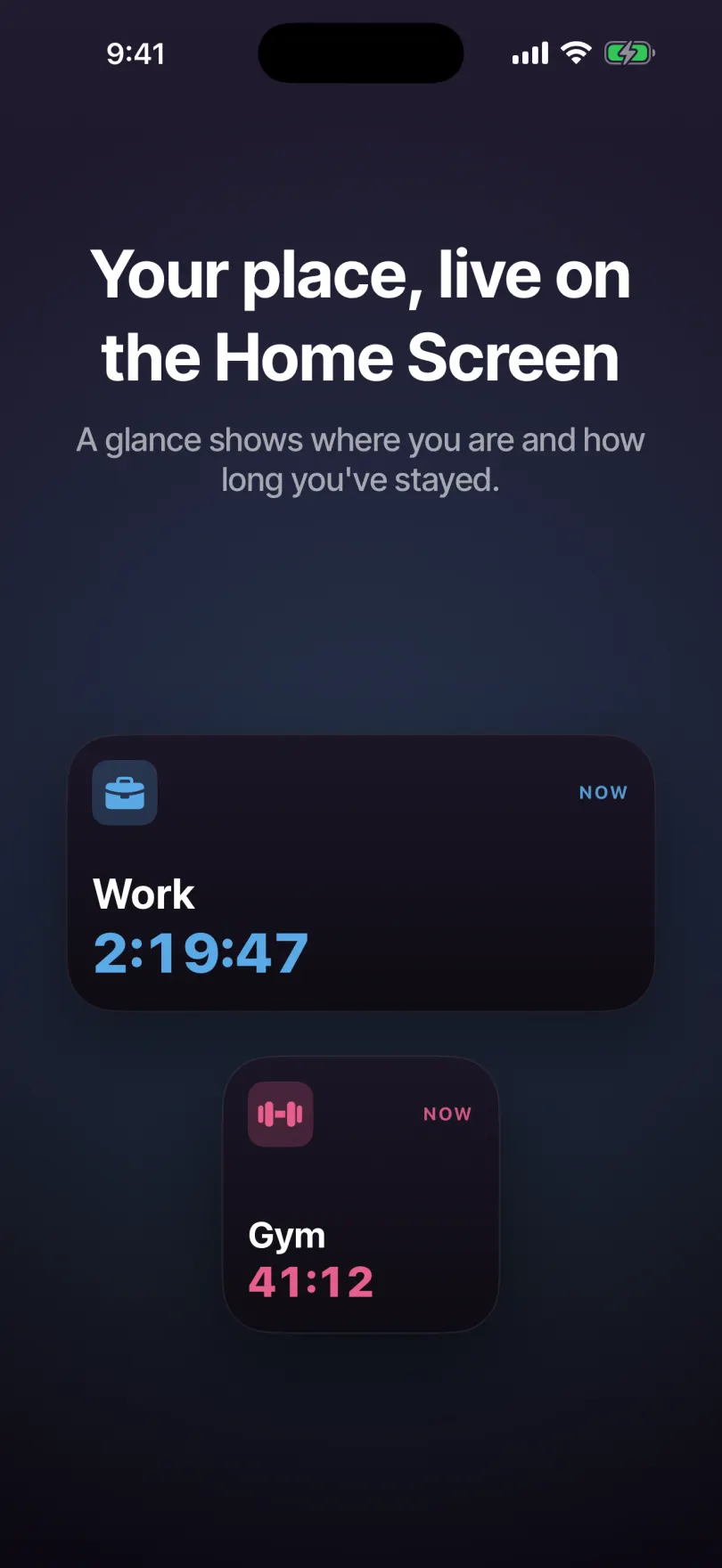
- Loyalty: They stay because the shortcuts and reminders bring back the places they’ve visited and the notes they’ve left.
- And the highest level of loyalty is becoming an ambassador for the project, by sharing details of your day from inside the app with its logo on them, so someone else starts the same journey through you.
The payment page became a moment in the journey. If it comes too early, I might lose the user.
Lesson 4: The best ad is the one users share
I split media channels into three types, and this is where Wime sits in each:
- Owned: My website, my blog, the app’s page on the App Store and Google Play, and my social media pages.
- Earned: What users share about their week from inside the app. I worked to make this feature easy to find and use.
- Paid: Ads. They come last of the three, not first, and as of writing this I haven’t used them.
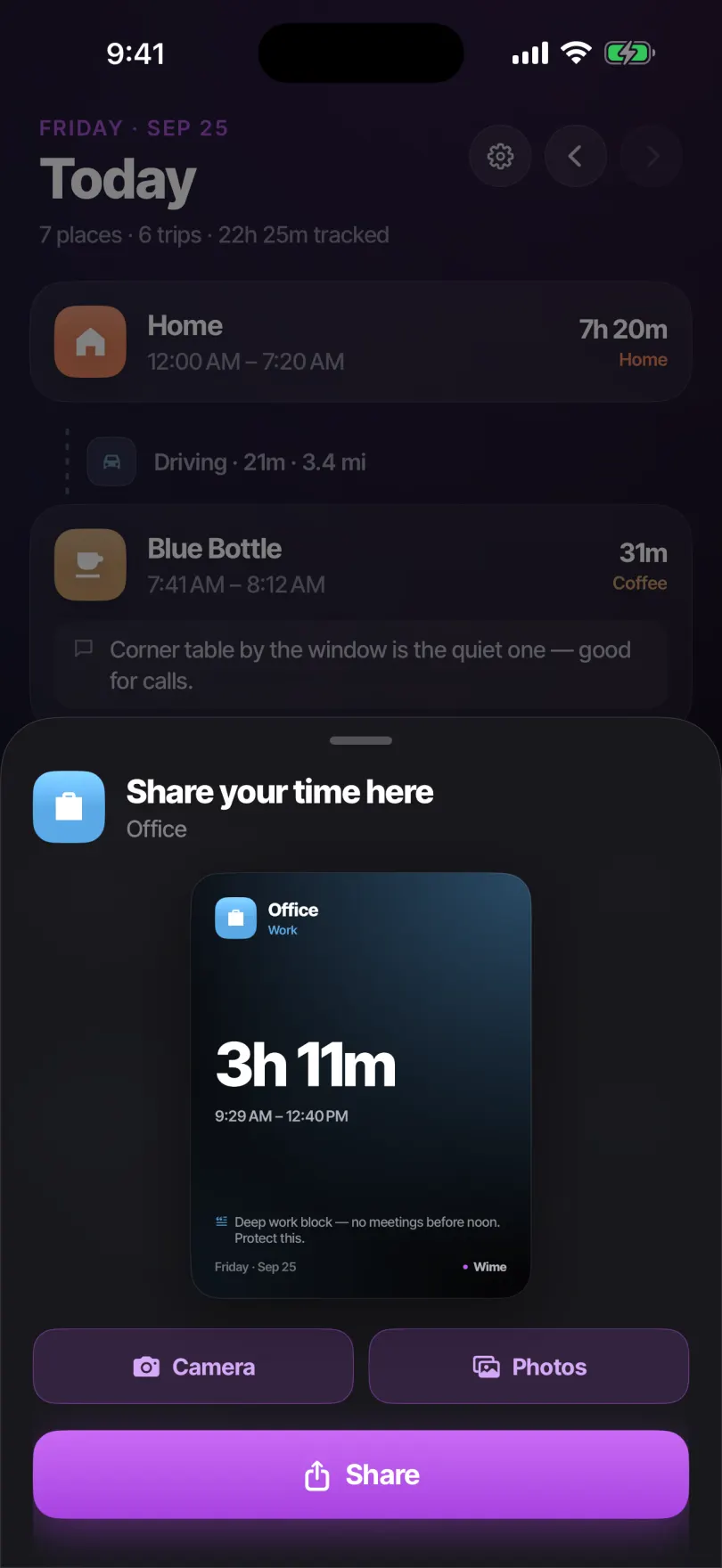
For a side project with no ad budget, earned channels are the most valuable and have the most impact. So the share feature isn’t just a social add-on. It’s a marketing channel built into the product: every post introduces someone new to Wime.
The takeaway: Build as if you’re going to market it
Before I write a line of code today, I ask three questions:
- Which need does this feature serve?
- At which stage of the user’s journey does it appear?
- How do we reduce the decision effort for the user?
Marketing isn’t a phase that comes after launch. It’s a way of thinking that starts with the first idea.
Wime is available now on the App Store. Try it for a week and tell me what you discover about your time.